
Hairplay vs Salon Software: Personalized Inclusive Booking
Last Updated: November 7, 2026
Quick Summary
The best personalized appointment scheduling for inclusive salon care pairs a booking page with intake questions covering hair type, texture, cultural preference, and accessibility needs before the client arrives. Hairplay offers personalized scheduling by hair type and culture, while Vagaro, Mangomint, Fresha, and Square Appointments handle the calendar side of inclusive salon booking.
Vagaro starts at about $30/month and Mangomint at about $165/month, both offering standard booking.
Inclusive care adds a fifth job: an intake flow recording texture, cultural preference, and accessibility needs.
Test accessibility by tabbing through the booking flow without a mouse and checking screen reader labels.
Price services by technique and realistic duration range, not by women's cut or men's cut.
Run three client journeys through each platform, including a quiet chair and extra transfer time request.
Tired of booking software that ignores your hair?
Hairplay schedules by hair type and culture, so your consultation starts before you arrive.
Table of Contents
Inclusive Salon Booking at a Glance: Hairplay vs Booking Platforms
What Best Salon Booking Software Must Handle for Inclusive Care
Hairplay: Personalized Appointment Scheduling Built Around Hair Type and Culture
Vagaro and Mangomint: Pricing and Pros and Cons for Growing Salons
Fresha and Square Appointments: The Best Salon Software for Independent Stylists
Accessibility, Privacy, and Inclusive Service Menus: What Competitors Miss
Best Salon Software for Small Salon Teams: Which Option Fits Your Chair Count
Inclusive Salon Booking at a Glance: Hairplay vs Booking Platforms
The best personalized appointment scheduling for inclusive salon care combines a booking page with intake questions that capture hair type, texture, cultural preference, and accessibility needs before the client arrives.
Software runs the calendar; a salon runs the care. Most platforms treat every client as a time slot; inclusive care treats each client as a hair history, a texture, and a set of preferences.
Option | Starting Price | Best For | Inclusive-Care Features |
Hairplay | Varies by service | Clients with curly, textured, or culturally specific hair needs | Personalized scheduling by hair type and culture |
Vagaro | About $30/month | Small salons watching costs | Standard booking and scheduling |
Mangomint | About $165/month | Growing salons wanting all-in-one | Standard booking and scheduling |
Fresha | Not verified | Independent stylists | Standard booking |
Square Appointments | Not verified | Service businesses already on Square | Standard booking |
What Best Salon Booking Software Must Handle for Inclusive Care
The best salon booking software handles four jobs: online booking, staff scheduling, client profiles with intake forms, and automated reminders that reduce no-shows. Inclusive care adds a fifth: a service menu and intake flow flexible enough to record texture, cultural preference, accessibility needs, and consultation notes without forcing clients into generic fields.
Most platforms cover the first four well. Vagaro and Square Appointments both offer online booking, an appointment calendar, client management, and automated reminders. Where they thin out is personalization: a profile storing only a name and phone number cannot tell a stylist that a new client has tight coils, a product sensitivity, or a preference for a stylist who understands her cultural relationship with her hair.
Our salon services page shows the range of services a personalized booking flow has to accommodate. The software has to match the menu, not the other way around.
Hairplay: Personalized Appointment Scheduling Built Around Hair Type and Culture
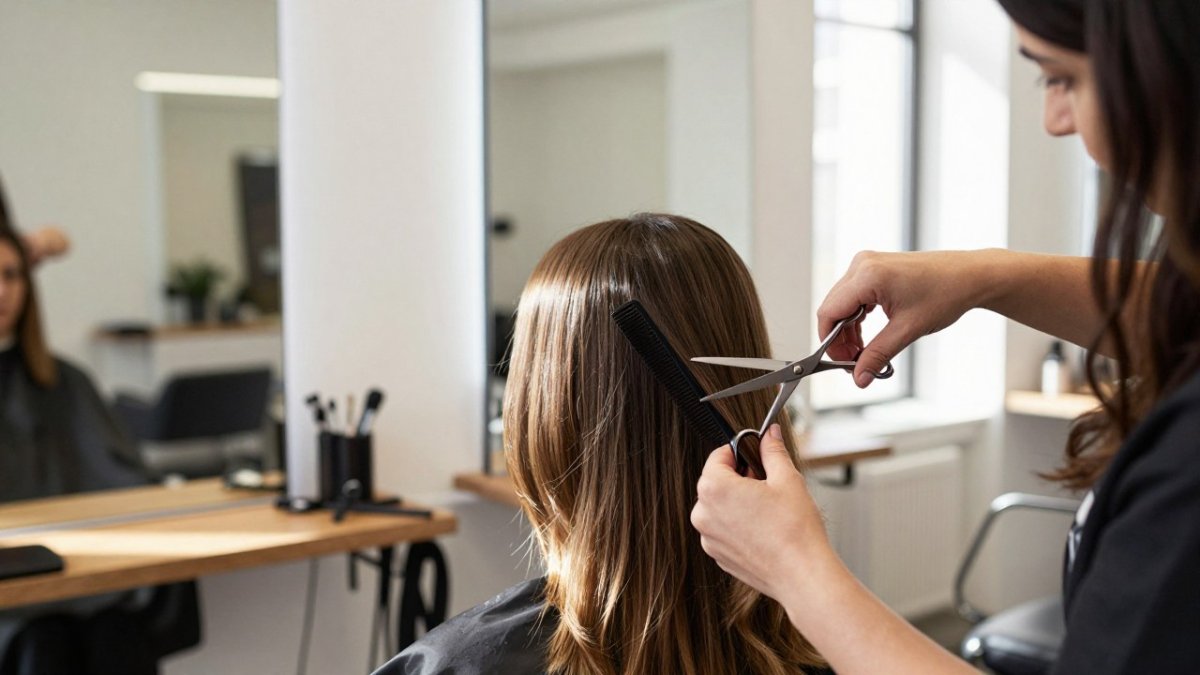
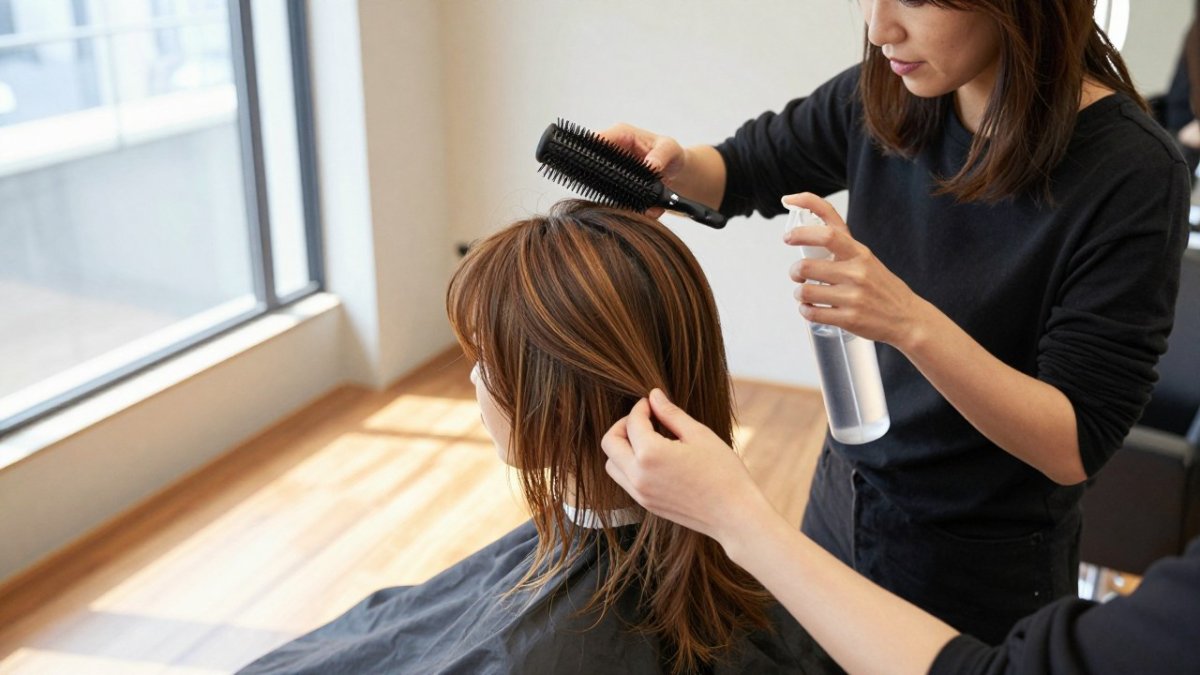
Hairplay offers personalized appointment scheduling tailored to hair type, covering long, curly, straight, and short hair. Book Hair Play Salon Stylist on line in San Francisco to schedule a mens or womens hair cut.

A stylist who already knows you have 4A coils and want a silk press for a specific event does not spend the first fifteen minutes asking. Our stylist page spells out the focus on curly, Black, and textured hair rather than assuming it.
For clients preparing for that first visit, our guide to curly hair salon consultation questions covers what to ask and what a good stylist should ask you.
Vagaro and Mangomint: Pricing and Pros and Cons for Growing Salons
Vagaro and Mangomint sit at opposite ends of the price spectrum. Pricing for Vagaro and Mangomint varies, so check each vendor's website for current plans.
**
Neither platform is a poor choice, both run a calendar competently. The question is whether a calendar alone is enough when your client base includes textures and cultural needs that generic client profiles do not capture.
Fresha and Square Appointments: The Best Salon Software for Independent Stylists
Independent stylists need three things from booking software: a booking page clients can find, mobile booking that works at the chair, and a price that does not eat into a solo income. Fresha and Square Appointments both appeal to smaller businesses and independent professionals.
Fresha and Square Appointments both serve smaller businesses and independent professionals, and vendor pricing should be confirmed directly.
For a solo stylist, that gap is manageable if you handle personalization yourself with your own intake form and separate consultation notes. The trade-off is double entry and a client experience split across two tools.
Free Salon Booking System Options and What They Really Cost
A genuinely free salon booking system is rare, and the ones labeled free usually recover the cost through payment processing fees, transaction charges, or a paid tier that unlocks the features you actually need.
The hidden costs to check before committing:
Payment processing fees on every deposit and checkout
Feature gates that put automated reminders or client profiles behind a paid plan
Transaction charges on top of processing
For a small salon, a modest monthly fee often costs less than the fees a "free" plan collects over a year. Run your own numbers against your monthly booking volume rather than trusting the headline price.
Accessibility, Privacy, and Inclusive Service Menus: What Competitors Miss
Accessibility, privacy, and inclusive service menus are the three areas where general salon software most often falls short, and they matter most to clients who have been poorly served elsewhere. Most booking platforms offer no way to note a mobility need, a sensory sensitivity, or a preference for a private styling area. Most intake forms have no field for pronouns, cultural hair practices, or product sensitivities. Testing these workflows alongside inventory management software can reveal whether product availability and service planning support the same inclusive experience.
Accessibility that works without a phone call
An accessible booking page is one a client can complete independently, on a keyboard or with a screen reader, without calling the salon to explain a need. When you evaluate a platform, run a short test rather than reading the feature page:
Tab through the entire booking flow without a mouse. Every field, service option, time slot, and confirmation button should receive visible focus and be reachable in a logical order.
Open the booking page with a screen reader and confirm that service names, prices, durations, and time slots are announced as labeled controls, not as unlabeled buttons or images.
Check whether the intake form has a free-text accommodation field where a client can request a quiet chair, a ground-floor station, extra time to transfer, a fragrance-free product, or a companion in the room.
Watch out: a platform can pass a general accessibility audit and still fail at the chair, if accommodation notes land in a field the front desk never sees, the client arrives with a request no one has read. Test the full path from booking page to stylist view.
Privacy for sensitive client information
Consultation notes about hair loss, scalp conditions, medication-related sensitivity, cultural practices, or a client's pronouns are sensitive information. They should live in a system with role-based access, not a shared spreadsheet or a stylist's personal phone notes. Practical criteria:
Field-level access: can you limit who sees accommodation and health-adjacent notes versus general appointment history?
Retention and deletion: can you set how long notes are kept and delete them on request?
Export and portability: can you export client records if you switch tools, and does the export include the notes that make the relationship work?
Salons often collect more than they need because the form makes it easy. Collect what changes the service, state why, and restrict access to the people who act on it.
Inclusive service menus and time-based pricing
An inclusive service menu prices by what the service actually requires. A silk press on dense coily hair takes longer than the same service on fine straight hair, and a menu that ignores that either undercharges the stylist or rushes the client. Build the menu around hair needs and time, not gender:
Name services by technique and outcome, trim, silk press, color touch-up, loc retwist, protective style install, rather than "women's cut" or "men's cut."
Attach a realistic duration range to each service and let the booking flow add consultation or detangling time when the client's intake indicates dense texture, length, or a first visit.
Show starting prices with a clear note about what changes them (length, density, added treatments) so the client is not surprised at checkout.
This is where the personalization gap becomes a care gap. Our approach to fostering connections explains the philosophy behind building connection into the client relationship rather than treating it as a transaction. Software can store a preference; only a team can act on it, and only if the booking flow captures it where the team actually reads.
Best Salon Software for Small Salon Teams: Which Option Fits Your Chair Count
The best salon software for a small salon team depends on how many chairs you run, how much personalization your clients need, and who touches the calendar. A two-chair salon with a straightforward clientele can run on Vagaro's lower monthly cost. A growing salon with a texture-diverse client base needs booking that captures hair history from the first click.
Scenario 1: Two chairs, one front desk, walk-in heavy
At this size, speed matters more than depth. You need a booking page clients can find, a calendar the front desk can read at a glance, and reminders that cut no-shows without a second system. Lower-cost platforms fit here, and the personalization you lose can be recovered with a short intake form the stylist reviews before the appointment. The trade-off is double entry: texture and preference notes live outside the booking system, so they do not travel with the appointment.
Scenario 2: Four to eight chairs, texture-diverse clientele, repeat visits
This is where generic client profiles start to cost you. With more stylists and repeat clients, notes that live in one stylist's memory do not transfer when a client books with someone new. Look for intake fields that capture hair type and texture, cultural preference, product sensitivities, and accommodation requests, and confirm those fields appear on the appointment view the stylist sees, not buried in a client record tab.
Scenario 3: Growing salon adding stylists and service lines
At this stage the all-in-one platforms earn their higher monthly cost through consolidated scheduling, payments, and reporting. The risk is that the platform's default service menu and intake form flatten the personalization you built. Before you migrate, map your current intake questions and time-based pricing to the new system's fields, and test whether the booking flow can add time for dense texture or a first visit.
A scenario-based test before you commit
Run the same three client journeys through every platform you shortlist, using a trial or a demo with your own service menu loaded:
A first-time client with tight coily hair booking a silk press before an event. Does the flow ask about texture and length, add realistic time, and route the note to the stylist?
A client who needs a quiet chair and extra transfer time. Can they request it at booking without calling, and does the stylist see it before the appointment?
A returning client who wants to book with the stylist who knows her hair. Can the flow match her to that stylist and carry her notes forward?
Then check the operational basics that decide whether the tool survives a busy week:
Does the intake form capture hair type, texture, and cultural preference?
Can clients note accessibility or sensory needs when they book?
Does the service menu price by actual service time, not a flat estimate?
Score each option against those questions, but weight them by your scenario. The platform that wins on price often loses on the questions that decide whether a first-time client books a second visit. A two-chair salon can absorb that loss with manual intake; a six-chair salon with a texture-diverse clientele cannot, because the notes have to travel with the appointment to be useful.
Frequently Asked Questions
What is the best appointment scheduling app for a salon that serves diverse hair types?
The best app depends on whether you need software to run your own salon or a salon that already handles personalized inclusive salon booking. Platforms such as Vagaro and Mangomint offer online booking and scheduling, but the supplied research does not verify features for inclusive or personalized care. For clients with curly, textured, or culturally specific hair needs, Hairplay offers personalized scheduling by hair type and culture; see its website for current prices or a quote.
Which salon booking software works best for an independent stylist?
Independent stylists comparing the best salon software for independent stylist needs should look for low monthly cost, online booking, and automated reminders. Fresha and Square Appointments both serve smaller businesses and independent professionals. Neither has a verified price in the supplied results, so confirm current plans directly. If you rent a chair inside a larger salon, ask whether that salon's inclusive salon booking system already covers your calendar.
Is there free salon booking software for small businesses?
The supplied research does not verify a free salon booking system with a permanent free tier. Vagaro, Mangomint, Fresha, and Square Appointments all have pricing that should be confirmed directly on each vendor's website. Treat any free plan claim as something to confirm on the vendor's site, including transaction fees that may replace a subscription. For a small salon, compare the total monthly cost against the value of fewer no-shows and better client profiles.
How can salons personalize appointments for different hair types?
Personalization starts before the appointment: intake forms that record hair texture, density, porosity, and cultural preferences, plus service durations that reflect detangling, sectioning, and styling time for curly or textured hair. Hairplay offers personalized scheduling by hair type and culture. Software can store client profiles and consultation notes, but the salon must decide to use longer appointment blocks and detailed intake questions for textured hair services.
What features should a salon scheduling system have for inclusive care?
Look for online booking with adjustable service durations, intake forms that capture hair type and cultural preferences, automated reminders to reduce no-shows, deposit and cancellation handling, and private consultation notes. Accessibility matters too: a booking page that works with screen readers and mobile devices helps clients with disabilities book independently. The supplied research does not verify which platforms include these inclusive features, so ask vendors directly and confirm that the salon's staff are trained to use client preferences, not just store them.
Comments